
Feedback
AI Ad Video Example
Loading...
MiniMax H3 to Video
Describe a scene and MiniMax H3 to Video returns a 2K clip with audio baked in — on-camera dialogue, steady continuity, minutes not hours.
All Tools
Discover our comprehensive AI-powered animation toolkit
MiniMax H3
MiniMax H3 AI Video Generator
Seedance 2.5
The Future of AI Video Is Here.
Seedance 2.0
The Future of AI Video Is Here.
Kling 3.0
Next-Gen AI Video Generator
Grok Video Generator
Create Videos from Text or Images with AI
MiniMax H3 video generator
MiniMax H3 AI Video Generator

Seedance 2.0
The Future of AI Video Is Here.
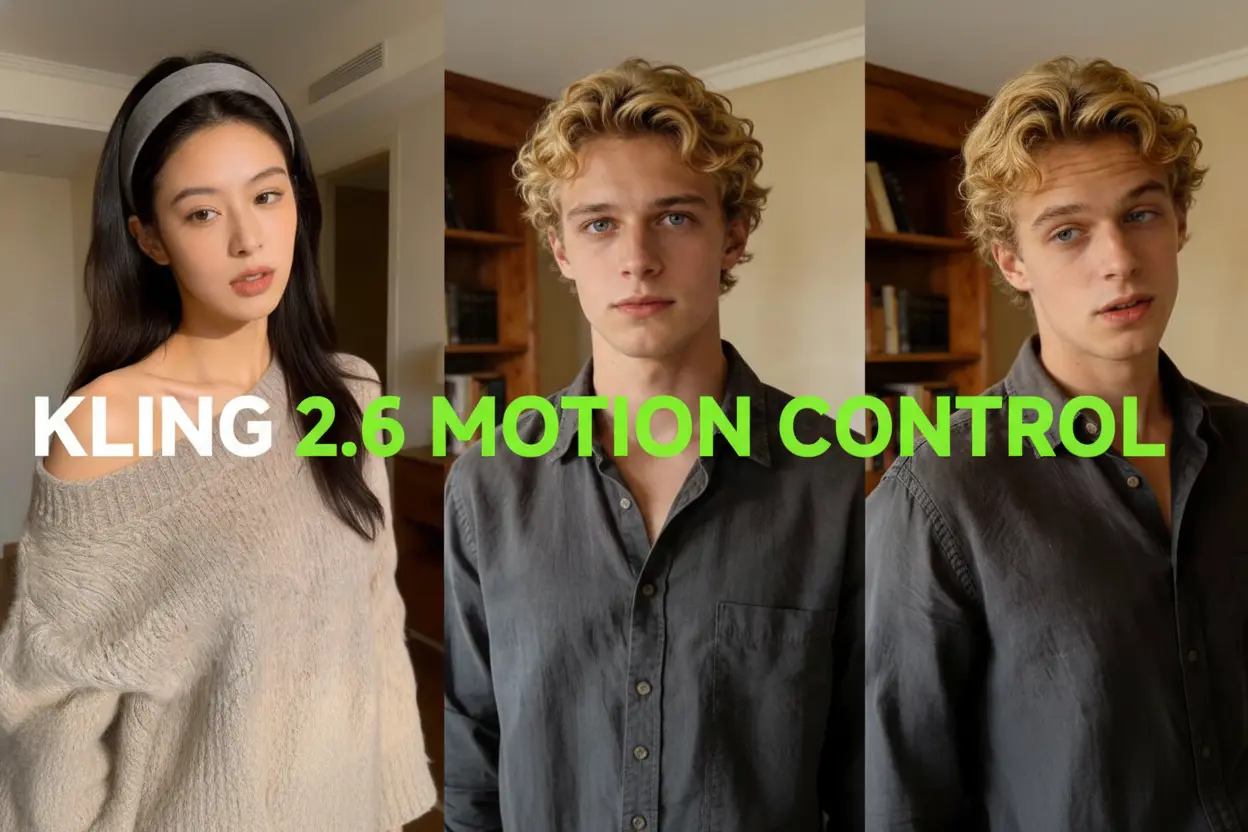
Kling Motion Control
Turn reference images into amazing motion videos in minutes
MiniMax H3 to Video: Built for Sound-First Storytelling
MiniMax H3 to Video runs on MiniMax's H3 engine, widely known as Hailuo 3.0. A single written scene becomes a 2K clip whose soundtrack is generated alongside the frames, so the effects you name and the beat where a cue lands shape what comes back. Characters speak on screen with no dubbing stage, uploaded references hold faces and places steady, and multi-shot sequences resolve in the order you typed them.
- Prompt-to-Clip with Built-In AudioWrite your scene and collect moving frames that already carry sound — MiniMax H3 to Video renders picture and audio together in one generation.
- On-Screen Spoken LinesClose coverage and shot-reverse-shot cutting for vertical drama — each line is voiced while the take is rendered by MiniMax H3 to Video, so no separate dub stage is needed.
- Anchored by ReferencesUp to 9 images, 3 clips, and 3 audio files can enter a single run, each assigned a role you name — faces, places, motion, and voice stay tied to a fixed source in MiniMax H3 to Video.
Running MiniMax H3 to Video in Three Steps
Three quick steps take you from idea to finished clip with MiniMax H3 to Video on Morphic's endless visual canvas.
Core Strengths of MiniMax H3 to Video
Sound built into every render, spoken lines delivered on screen, continuity anchored by references, and multi-shot timing under your control — MiniMax H3 to Video converts a written shot into a finished 2K clip complete with audio.
Sound-Integrated Text to Video
Describe the scene and receive moving frames that already contain audio — the effects you name and the timing of each cue shift what MiniMax H3 to Video sends back.
Spoken Lines Rendered On Screen
Vertical drama with tight coverage and shot-reverse-shot editing — the line is voiced while the take is generated by MiniMax H3 to Video, keeping delivery and performance in sync.
Fifteen Reference Slots
Nine images, three clips, and three audio files can join a single run, each with an assigned role — MiniMax H3 to Video draws faces, locations, motions, and voices from sources you fix.
Beat-Timed Multi-Shot Builds
Block the clip into beats and multiple shots return from one generation — title sequences, interface walkthroughs, and product reveals land in the order you wrote them with MiniMax H3 to Video.
Swap Models, Compare Takes
Render in minutes, then set MiniMax H3 to Video results beside other models on the Morphic Canvas before you commit to a final cut.
2K Delivery
MiniMax H3 to Video outputs 2K video with its audio already attached — ready for titles, interface walkthroughs, and product reveals.
MiniMax H3 to Video: Common Questions
Answers to the questions people ask most about creating video from text with MiniMax H3 to Video.
What exactly is MiniMax H3 to Video?
It is MiniMax's H3 engine, often marketed as Hailuo 3.0, offered here as a text-to-video tool. MiniMax H3 to Video builds 2K footage whose soundtrack is generated along with the frames, all from a single written scene description.
Does the tool actually produce audio?
Yes. MiniMax H3 to Video renders sound during the same generation as the visuals, so naming an effect or timing a cue changes the outcome, and characters speak on screen without a separate dubbing step.
What makes a strong first render?
Spell out the subject, action, camera, lighting, and desired sound, then add timings across the clip — MiniMax H3 to Video comes closest on the first attempt when the beats are blocked out.
Are reference files supported?
They are. A single run with MiniMax H3 to Video accepts as many as 9 images, 3 video clips, and 3 audio files, each given a role you name, so a face, location, motion, and voice all trace back to something fixed.
Can one generation contain several shots?
It can. Block the clip into beats and MiniMax H3 to Video returns several shots from a single generation, so title sequences, interface walkthroughs, and product reveals follow your written order.
How can I judge it against other models?
Use the Morphic canvas: render in minutes, switch models, and place MiniMax H3 to Video results next to Kling 3.0, Veo 3.1, Seedance 2.5, and Vidu Q3 takes before locking in your final cut.
Put MiniMax H3 to Video to Work
Hand MiniMax H3 to Video a written scene and it returns 2K footage with its soundtrack attached — spoken lines on screen, continuity held by references, all on an endless visual canvas.